


The European Society of Cardiology (ESC) is deeply saddened by the passing of Professor Eugene Braunwald, one of the most influential figures in the history of cardiovascular medicine, who died on 22 April 2026, aged 96.
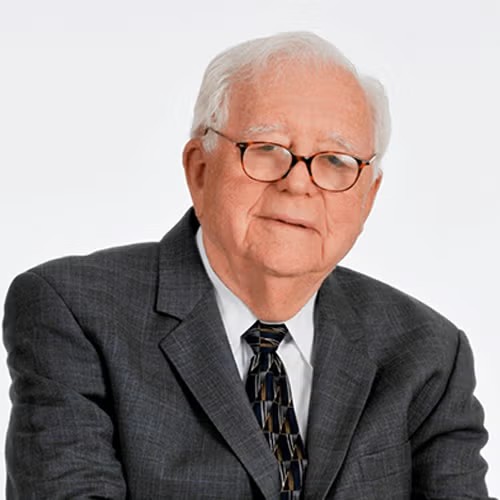
Beyond his scientific brilliance, Professor Braunwald was celebrated for his humanity: a generous teacher who made time for young clinicians and promising investigators; a rigorous, but supportive mentor who set high standards while giving others confidence and skills. His curiosity, humility and warmth shaped the culture of the teams he led. Over the decades, countless cardiologists around the world considered him not only an academic leader, but a guiding voice in the clinic and in life.
“Professor Braunwald was the leading cardiologist of his time. His vision and innovation changed the trajectory of cardiovascular medicine,” said Professor Thomas F. Lüscher, President of the European Society of Cardiology. “He had a rare ability to see what the field needed next, and then to build the science and rigorous evidence leading to better care. He created the Thrombolysis In Myocardial Infarction (TIMI) group that went on to deliver life-saving therapies across the cardiovascular spectrum. Just as importantly, he set a standard for intellectual honesty and mentorship, giving generations of clinicians and researchers the confidence to aim higher.”
Professor Braunwald’s work helped define how cardiovascular disease is understood and treated. Early in his career, he established foundational concepts of human cardiovascular physiology and pathophysiology, including the determinants of myocardial oxygen consumption. He also helped pioneer transseptal left heart catheterisation and haemodynamics, advancing the assessment of valvular heart disease at a time when open-heart surgery was just beginning. These insights informed his landmark work on hypertrophic cardiomyopathy, including the recognition of dynamic left ventricular outflow tract obstruction and an early appreciation of its frequent genetic basis. In heart failure, he described an early neurohumoral abnormality, (i.e. increased sympathomimetic activation with elevated circulating catecholamines) and contributed to the clinical assessment of ventricular performance, including use of the ejection fraction and ventricular systolic dp/dt to assess myocardial contractility. He later helped to transform acute coronary care by developing the concept that myocardial infarction is a dynamic process in which early, decisive intervention can salvage threatened myocardium.
Professor Braunwald’s impact also reached far beyond any single laboratory or trial. As founding editor of Braunwald’s Heart Disease and a long-time editor of Harrison’s Principles of Internal Medicine, he helped educate generations of physicians and shaped the global language of cardiovascular medicine.
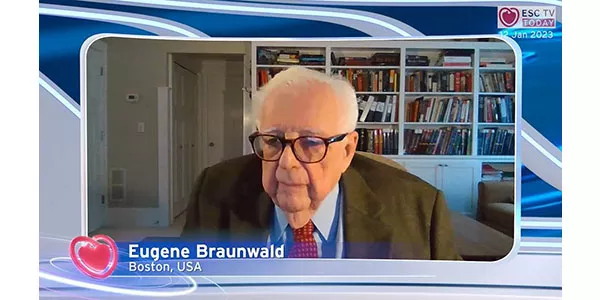
“Eugene Braunwald exemplified what academic medicine can be at its very best: precise thinking, fearless innovation, and an unwavering focus on what improves patients’ lives,” said Professor Filippo Crea, Editor-in-Chief of the European Heart Journal. “He had a rare ability to connect fundamental biology to clinical decisions, and to do so while elevating everyone around him. I know that he was working on his next contribution to ‘Braunwald’s Corner’. In the last six years Gene Braunwald published in his ‘Corner’ more than twenty articles which represent the summa of his vision of cardiovascular medicine.”
Professor Cecilia Linde, ESC President-elect, added: “For early-career cardiologists, Professor Braunwald has been a living legend. He was proof that curiosity, discipline and kindness can coexist at the highest level. We will honour his legacy by investing in the next generation and by pursuing research that is both bold and clinically meaningful.”
The ESC extends its deepest condolences to Professor Braunwald’s family and loved ones, and to his many students, collaborators, and friends across the world. His legacy endures in the patients whose lives have been saved by evidence-based cardiovascular care, and in the people he inspired to pursue medicine with integrity and purpose.
ENDS