Cardio-Rheumatology
June 2026

About Cardio-Rheumatology
Patients with systemic rheumatic diseases have an increased risk of developing cardiovascular complications. These include vascular damage with accelerated atherosclerosis, myocardial and pericardial involvement, valvular abnormalities, arrhythmias, and heart failure.
In this FOCUS, we address the unmet need for cardiovascular prevention in patients with rheumatologic disorders
People living with inflammatory joint diseases face a cardiovascular risk that is comparable to that of diabetes. This risk is driven by the cumulative inflammatory burden over time, which accelerates the development of atherosclerotic cardiovascular disease.
Despite this, awareness of the increased risk remains low among both patients and healthcare professionals. There is a clear need for more targeted information and closer cooperation between cardiologists and rheumatologists to address this gap. Currently, cardiovascular prevention is not sufficiently prioritised in this high-risk group, and there is an urgent need for improvement.
Standard cardiovascular risk calculators do not accurately predict future risk in patients with inflammatory joint diseases. Even when lipid levels are low, these patients remain at increased risk of cardiovascular disease. Lipid-lowering and anti-hypertensive treatments are straightforward to use and do not cause more side effects than in the general population. Baseline lipid levels, inflammatory status, and anti-rheumatic medication do not affect the dose of lipid-lowering treatment needed to reach recommended targets. Anti-inflammatory medications, PCSK9 inhibitors and GLP1AS are promising in ASCVD treatment, but more evidence is needed in patients with inflammatory joint diseases.
Explore the cardio-rheumatology resources, which include ESC Guidelines and congress presentations, below.


Webinars

What is cardio-rheumatology?

Cardio-rheumatology: an unmet need of CVD prevention
Resources available to all
Essentials
Guidelines

2024 ESC Guidelines for the management of elevated blood pressure and hypertension Developed by the task force on the management of elevated blood pressure and hypertension of the European Society of Cardiology (ESC) and <em>endorsed by the European Society of Endocrinology (ESE) and the European Stroke Organisation (ESO)</em>

2024 ESC Guidelines for the management of chronic coronary syndromes Developed by the task force for the management of chronic coronary syndromes of the European Society of Cardiology (ESC) <em>Endorsed by the European Association for Cardio-Thoracic Surgery (EACTS)</em>

2019 ESC/EAS Guidelines for the management of dyslipidaemias: <em>lipid modification to reduce cardiovascular risk</em> The Task Force for the management of dyslipidaemias of the European Society of Cardiology (ESC) and European Atherosclerosis Society (EAS)
Key supporting evidence

An international audit of the management of dyslipidaemia and hypertension in patients with rheumatoid arthritis: results from 19 countries
EULAR recommendations for cardiovascular disease risk management in patients with rheumatoid arthritis and other forms of inflammatory joint disorders: 2015/2016 update
Lipid management in systemic lupus erythematosus according to risk classifiers suggested by the European Society of Cardiology and disease-related risk factors reported by the EULAR recommendations
Application of EULAR and European Society of Cardiology recommendations with regard to blood pressure and lipid management in antiphospholipid syndrome
EULAR recommendations for cardiovascular risk management in rheumatic and musculoskeletal diseases, including systemic lupus erythematosus and antiphospholipid syndrome
EULAR recommendations for women's health and the management of family planning, assisted reproduction, pregnancy and menopause in patients with systemic lupus erythematosus and/or antiphospholipid syndrome
Morbidity and mortality in the antiphospholipid syndrome during a 10-year period: a multicentre prospective study of 1000 patients
Brief Report: Trends in Hospitalizations Due to Acute Coronary Syndromes and Stroke in Patients With Systemic Lupus Erythematosus, 1996 to 2012
Antiphospholipid syndrome: state of the art on clinical practice guidelines
Prevalence of comorbidities in systemic sclerosis versus rheumatoid arthritis: a comparative, multicenter, matched-cohort study
Systemic lupus erythematosus: state of the art on clinical practice guidelines.
The adjusted global antiphospholipid syndrome score (aGAPSS) and the risk of recurrent thrombosis: Results from the APS ACTION cohort
The effect of statin on major adverse cardiovascular events and mortality in patients with rheumatoid arthritis - a systematic review and meta-analysis
Predictive Utility of Cardiovascular Risk Prediction Algorithms in Inflammatory Rheumatic Diseases: A Systematic Review
Atherosclerosis features in rheumatic diseases – focus on peripheral artery disease
Shared inflammatory pathways of rheumatoid arthritis and atherosclerotic cardiovascular disease
Re-evaluating the mythical divide between traditional and novel cardiovascular risk factors in rheumatoid arthritis
Cardiovascular disease risk in patients with inflammatory arthritis nowadays still substantially elevated
Relevant textbook chapters
Cardiovascular Risk in Inflammatory Rheumatic Disease
Exclusively for members
Dig Deeper
In practice
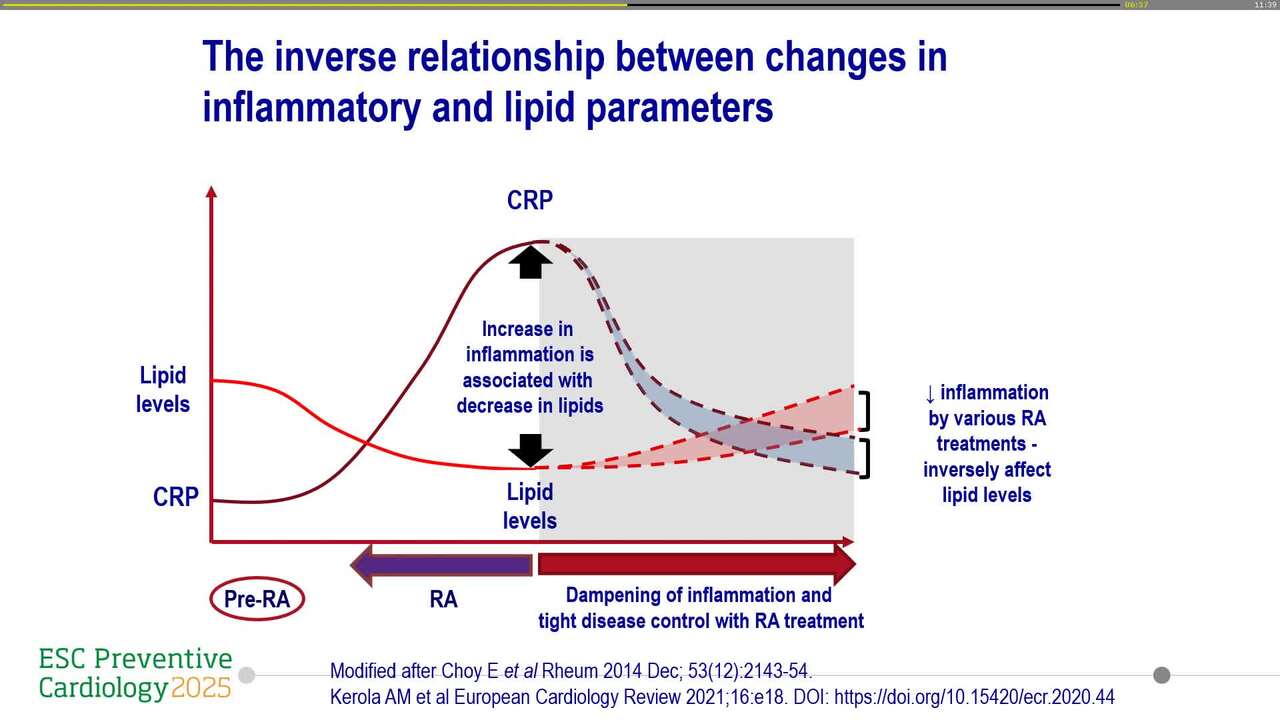
Cardio-rheumatology: what can we learn from rheumatoid arthritis treatment?
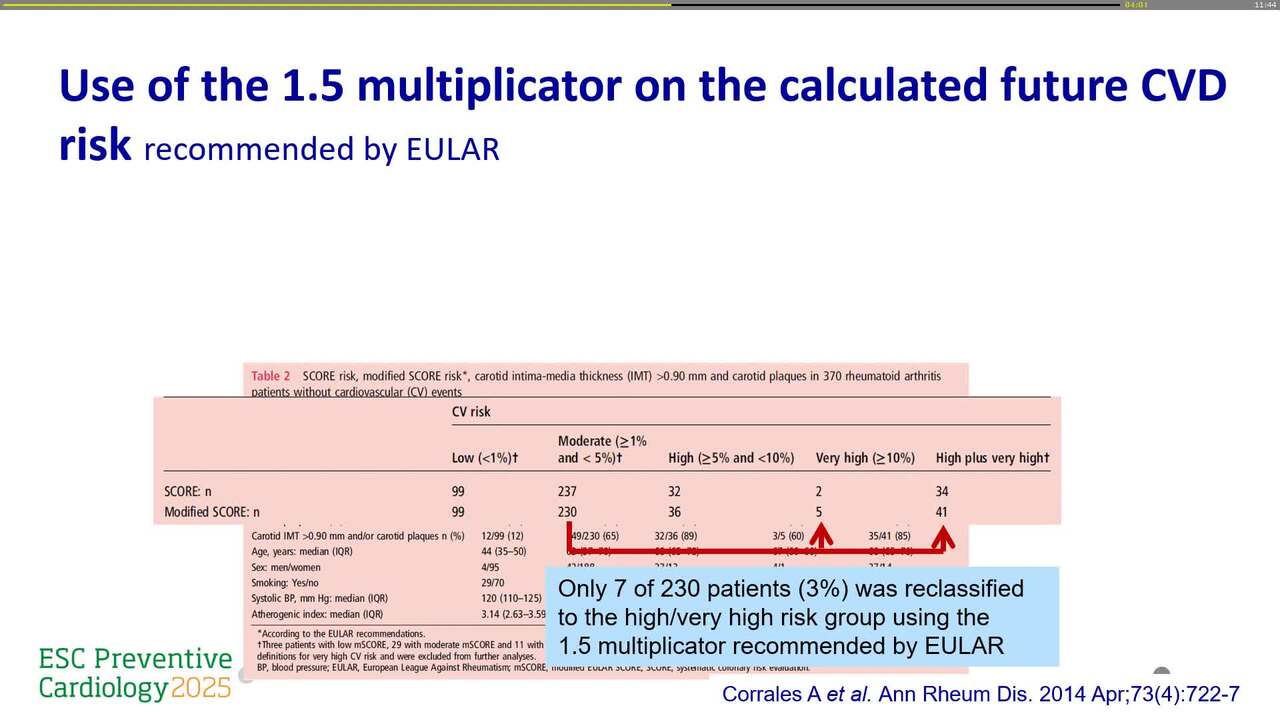
Case 2: a patient with auto-immune disease

Addressing non-traditional cardiovascular risk factors - discussion
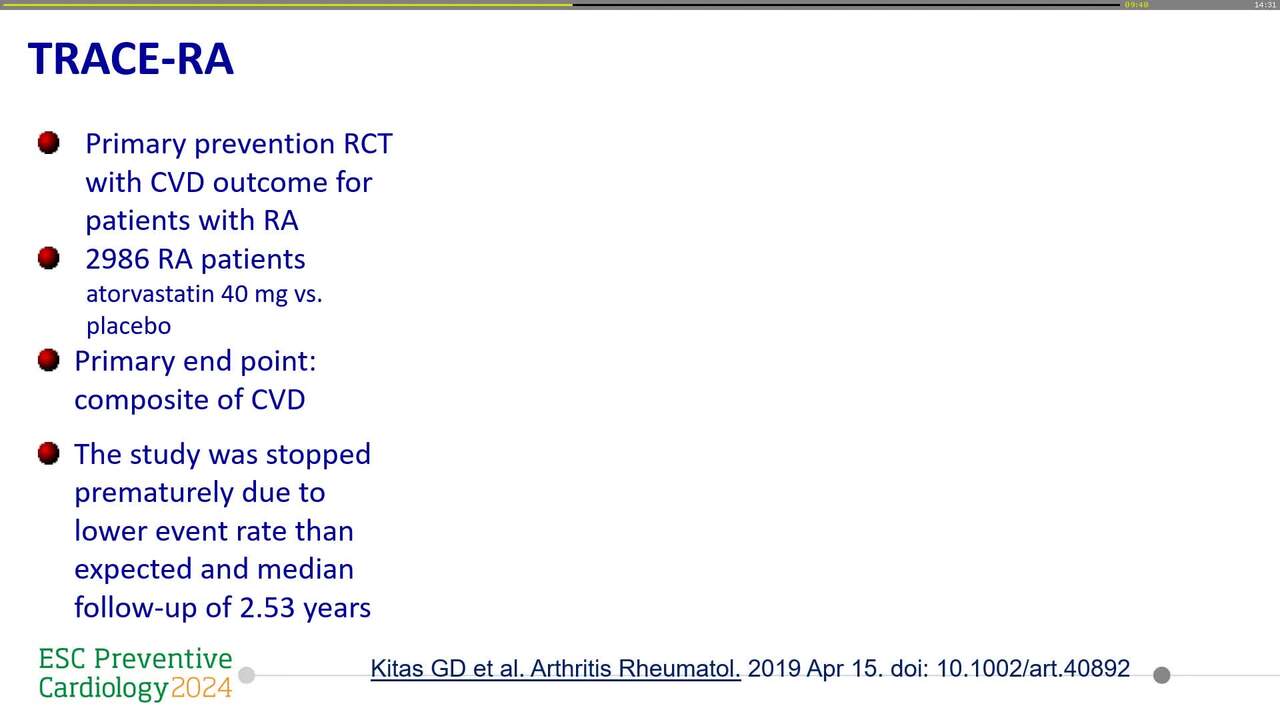
Rheumatoid diseases: relevant for cardiovascular risk and how to manage?
Interface with the specialists

Cardiovascular involvement in systemic rheumatologic disease
ESC Pocket Guidelines Mobile App
Convenient resources available directly on your mobile device.